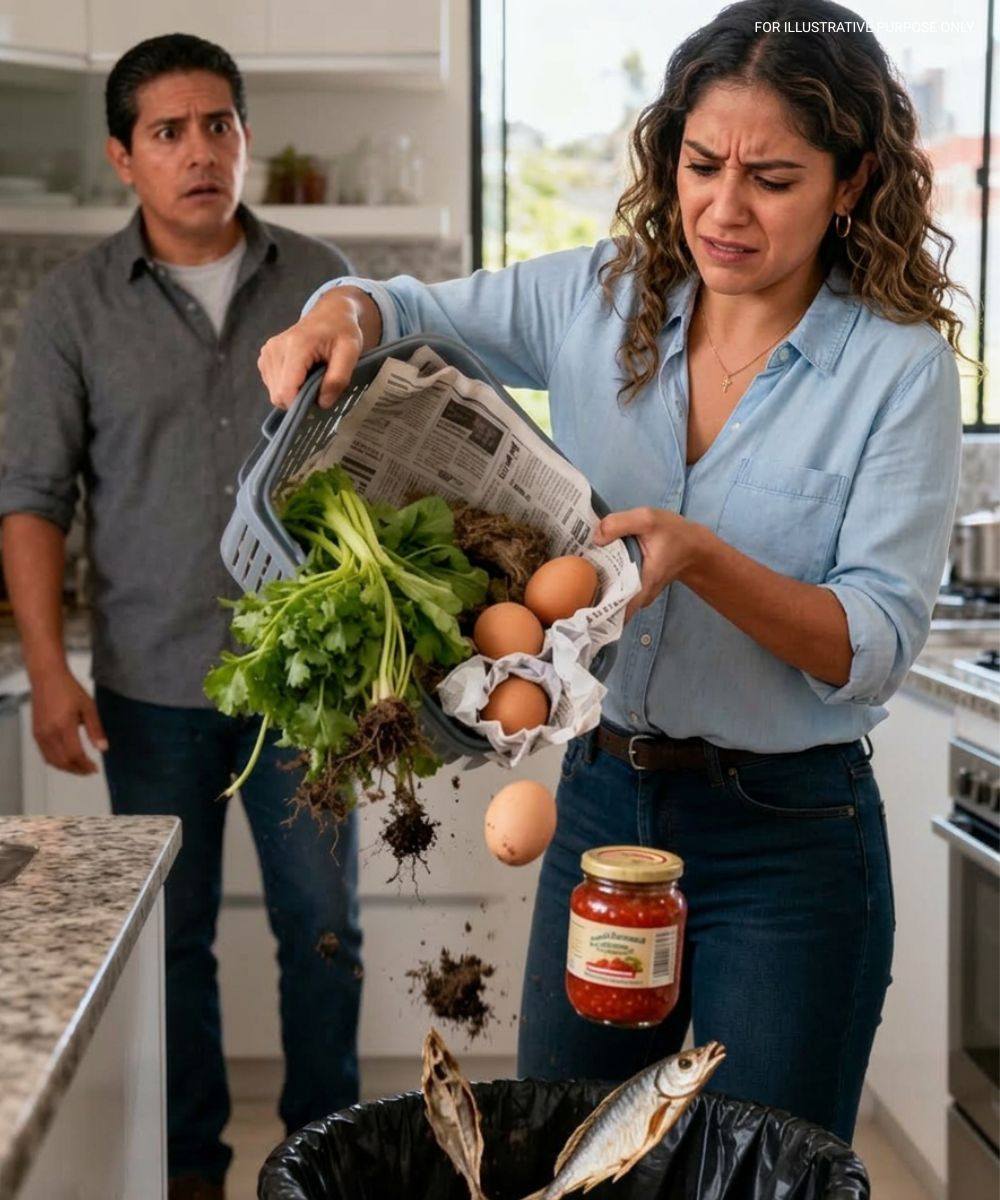
“They can be cleaned,” she murmured.
We worked in silence, side by side, taking everything out one piece at a time.
As if we weren’t just saving food…
but something else.
That night, we called my mother.
Her voice sounded weaker—but warm.
When Laura spoke to her, she hesitated at first… then apologized.
Not dramatically.
Just honestly.
“I didn’t understand before,” she said.
And for the first time, I saw her differently.
A few days later, we went to visit.
The village hadn’t changed.
Small houses. Dirt roads. People greeting you without knowing your name.
My mother’s house was just the same.
Simple.
Warm.
When she saw us, she froze for a second.
Then smiled.
Laura stepped forward.
And hugged her.
Awkwardly at first.
But sincerely.
“I’m sorry,” she whispered.
My mother just shook her head gently.
“It’s okay. You’re here now.”
And that was enough.
That afternoon, we sat together.
No luxury.
No pretense.
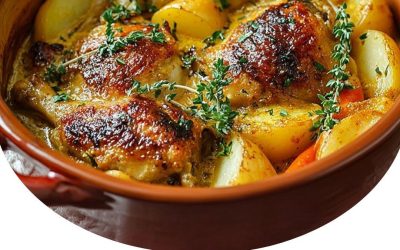
Just food, made slowly, over fire.
Laura stood beside my mother in the kitchen, learning how to make the sauce.
I watched from the doorway.
And finally understood something I hadn’t seen before:
Not everything important is said.
Some things are cooked.
Shared.
Passed down.
And sometimes…
learned late.
But still in time.
And that day, I realized—
some things should never be thrown away.
Not food.
Not love.
Not the quiet ways people care.
Never.
No related posts.
Przeczytaj dalej, klikając poniższy przycisk (CZYTAJ WIĘCEJ 》)!